

2025 Seminar Archive
Spring, 2025
Embodied Intelligence for Space Exploration with Foundation Models
Yue Wang
Assistant Professor
Thomas Lord Department of Computer Science
University of Southern California
Los Angeles, CA
Robotics has made remarkable strides, driven by advances in machine learning, optimal control, and hardware innovation. However, their applications to the space domains still face unique challenges: it is neither straightforward nor inherently scalable to train large machine learning models to enable these applications. To address this gap, our research endeavors to tackle these challenges through three principal directions: Simulation. Constructing photorealistic simulations that replicate space environments and enabling foundation model learning from synthetic or hybrid data sources. Perception. Leveraging geometric, semantic, and motional cues to develop data-efficient algorithms for robust scene perception and understanding in both simulated and real-world settings.
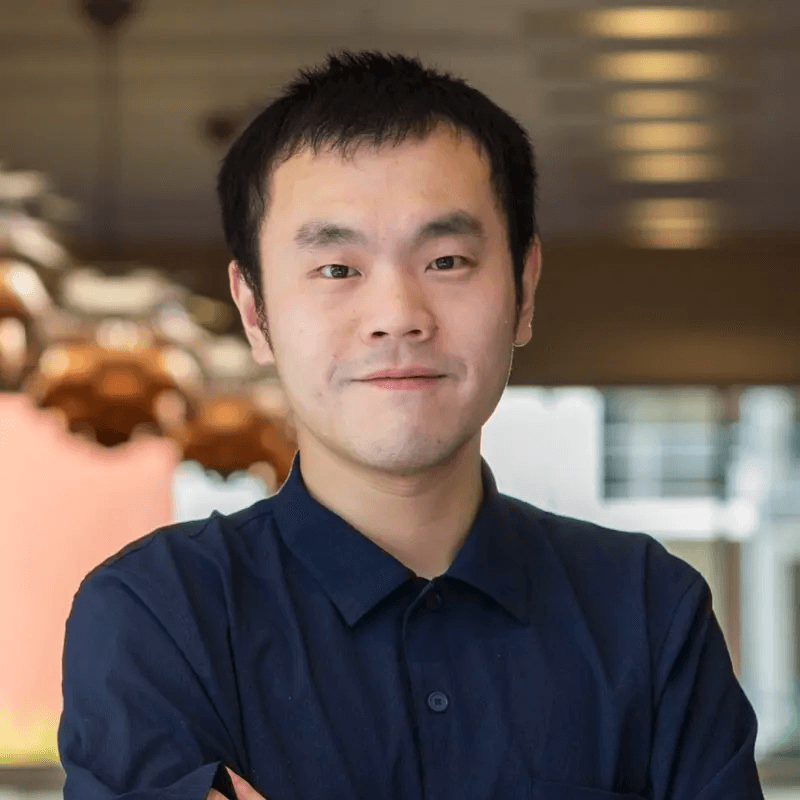 Yue Wang is an assistant professor at the computer science department and a faculty scientist at Nvidia Research. His lab is focusing on three major directions: 1) neural scene representations for robotics; 2) real-to-simulation-to-real transfer for robotics; 3) and robotic manipulation. He worked on 3D geometric deep learning during his PhD. His paper "Dynamic Graph CNN" has been widely adopted in 3D visual computing and beyond. He received the Powell Faculty Research Award, Toyota Young Faculty Researcher award, Nvidia Fellowship, the best paper award in geometric computing and graphics at the inaugural international congress of basic science, and the best paper nomination at the CVPR 2021 workshop on autonomous driving. He was also named the first place recipient of the William A. Martin Master’s Thesis Award for 2021. Yue received his bachelor from Zhejiang University, master from UCSD, and PhD from MIT. He has spent time at Nvidia Research, Google Research and Salesforce Research.
Wednesday, January 15, 2025
3:30 PM
Zumberg Hall, Room 252 (ZHS 252)
The Zoom webinar is at https://usc.zoom.us/j/96060458816?pwd=8LmoG2q6vBCQubqqWpcizd2F1bxqsH.1
host: Ronney
Ionics-Based Nanomanufacturing
Placid M. Ferreira
Tungchao Julia Lu Professor
Mechanical Science & Engineering Department
University of Illinois, Urbana-Champaign
Urbana, IL
Mechanics and transport at the micro- and nanoscale offer a rich set of controllable phenomena that can be exploited for the development of manufacturing processes compatible with these dimensional scales. Here, we exploit ionic transport in solids as the basis of highly controllable, efficient, high-resolution, high-throughput nanomanufacturing processes for producing metallic (specifically, silver and copper) nanostructures.
This talk will focus on the exploitation of the high room-temperature ionic conductivity in silver and copper-based superionic glasses as the basis of subtractive and additive nano-manufacturing processes such as superionic imprinting/stamping, roll patterning and direct writing. Taking a traditional manufacturing perspective, the talk will discuss tooling and tool materials; process characterization and rates; and tool wear with such processes. Applications and future directions towards photochemical patterning for ionics-based nanomanufacturing processes will also be discussed.
Placid M. Ferreira is the Tungchao Julia Lu Professor of Mechanical Science and Engineering at Illinois. From 2003 to 2009, he was the director of the Center for Chemical-Electrical-Mechanical Manufacturing Systems (Nano-CEMMS), an NSF-sponsored Nanoscale Science and Engineering Center after which he served as the Head of the Department of Mechanical Science and Engineering at Illinois until August 2015. He currently leads the Center for Networked Intelligent Components and Environments, a translational research collaboration between the University of Illinois and Foxconn Interconnect Technology.
Professor Ferreira graduated with a PhD in Industrial Engineering from Purdue University in 1987, M.Tech (Mechanical) from IIT Bombay, 1982 and B.E. (Mechanical) for University of Bombay in 1980. He has been on the mechanical engineering faculty at Illinois since 1987, serving as the associate head for graduate programs and research from 1999 to 2002. Professor Ferreira's research and teaching interests are in precision manufacturing and includes computer-controlled machines, nano-manufacturing and metrology. Professor Ferreira received NSF's Presidential Young Investigator Award in 1990, SME's Outstanding Young Investigator Award in 1991, University of Illinois' University Scholar Award in 1994, ASME’s Ennor Award for Manufacturing Technology in 2014. He is also a Fellow of ASME, SME and AAAS. He has served on the editorial board of a number of manufacturing-related journals.
Wednesday, January 22, 2025
3:30 PM
Zumberg Hall, Room 252 (ZHS 252)
The Zoom webinar is at https://usc.zoom.us/j/96060458816?pwd=8LmoG2q6vBCQubqqWpcizd2F1bxqsH.1
host: Zhao
Generative Algorithms for Assimilation of Multiresolution Satellite Data for Wildfire Forecast Initialization
Assad A. Oberai
Hughes Professor and Professor of Aerospace and Mechanical Engineering
Department of Aerospace & Mechanical Engineering
University of Southern California
Increased wildfire prevalence has led to the development of sophisticated coupled atmosphere-wildfire spread models. Additionally, advances in the use of geostationary and polar orbiting satellites for wildfire detection provide multiple sources of measurement data which can be used to improve model forecasts through data assimilation. Performing wildfire forecast with coupled atmosphere-wildfire models requires a detailed time-history of the initial fire trajectory, which is used to initialize the wildfire and atmosphere states. This history is encoded in the high-resolution fire arrival time, which provides the time fire reaches any location in the domain. Additionally, satellite measurements provide sparse and noisy measurements of the arrival time at much coarser resolutions. In this talk we describe how, by posing this problem as a probabilistic inverse problem, we can combine measurements from various sources with a physics-driven wildfire simulator to obtain a high-resolution probabilistic version of the fire arrival time. I will apply this approach to several historical fires, including the recent Eaton fire in Altadena.
Authors: Bryan Shaddy1 (bshaddy@usc.edu), Brianna Binder1 (bjbinder@usc.edu), Agnimitra Dasgupta1 (adasgupt@usc.edu), Angel Farguell Caus2 (angel.farguellcaus@sjsu.edu), Kyle Hilbrun3 (kyle.hilburn@colostate.edu), Jan Mandel4 (jan.mandel@ucdenver.edu), Adam Kochanski2 (adam.kochanski@sjsu.edu), Assad Oberai1 (aoberai@usc.edu)
1 University of Southern California; 2 San Jose State University; 3 Colorado State University; 4 University of Colorado, Denver
Wednesday, January 29, 2025
3:30 PM
Zumberg Hall, Room 252 (ZHS 252)
The Zoom webinar is at https://usc.zoom.us/j/96060458816?pwd=8LmoG2q6vBCQubqqWpcizd2F1bxqsH.1
Stabilized Finite Element Methods for Modeling Incompressible and Compressible Flows
Artem Korobenko
Associate Professor
Department of Mechanical and Manufacturing Engineering
University of Calgary
Calgary, Alberta, Canada
In this talk, recent developments in stabilized and variational multiscale (VMS) methods for fluid mechanics utilizing finite-element discretization will be presented. Both incompressible and compressible flow problems will be discussed. The numerical framework, developed by the CFSMgroup at the University of Calgary (https://www.cfsmgroup.com/), solves the Navier-Stokes equations. For compressible flows, a two-temperature model for non-ionized reacting flows in thermochemical non-equilibrium is employed. The equations are solved using the pressure-primitive set of variables, combined with a residual-based shock capturing operator and the Streamline-Upwind Petrov–Galerkin (SUPG) stabilization techniques. For incompressible flows, the Navier-Stokes equations are coupled with a transport equation for either vapor/volume fraction (for multiphase flows) or temperature (for stratified flows). The VMS method is adopted for turbulence modeling, operating as an LES-like approach and eliminating the need for filters or artificial dissipation. The formulation supports both linear finite elements and quadratic NURBS discretization. Enhanced stability and accuracy near walls are achieved through the weak imposition of boundary conditions, akin to classical wall modeling approaches.
The robustness and accuracy of this framework will be demonstrated through a range of challenging applications, including simulations of vertical-axis hydrokinetic turbines in turbulent flow with free surfaces, full-scale and geometrically complex cavitating flow simulations, wind farm modeling under stable atmospheric boundary layers, flow over complex terrains, double-cone and hollow cylinder extended flare configurations, and re-entry vehicles. Validation is provided through comparisons with existing numerical and experimental data from the literature.
 Artem Korobenko is an Associate Professor and Associate Head, Research at the Department of Mechanical and Manufacturing Engineering at the University of Calgary (Canada). He holds a Schulich Research Chair and leads the Computational Fluids and Structural Mechanics Group (CFSMgroup). Dr. Korobenko earned his PhD in 2014, followed by a postdoctoral position (2016), both at the University of California San Diego. His research focuses on the development of multi-fidelity computational methods for the analysis and design of complex systems in aerospace, wind and marine engineering using large-scale computing. A Fulbright Alumni and Alexander von Humboldt Fellowship recipient, Dr. Korobenko is a founding member and current president of the Canadian Association for Computational Science and Engineering, as well as a Member-at-Large of the USACM Technical Thrust Area on Computational Fluid Dynamics and Fluid-Structure Interaction. He is also a founding member and co-director of the University of Calgary Aerospace Network.
Friday, February 14, 2024
12:00 PM
Laufer Conference Room (OHE 406)
The Zoom webinar is at https://usc.zoom.us/j/96060458816?pwd=8LmoG2q6vBCQubqqWpcizd2F1bxqsH.1
host: Oberai
Learning-based Model-Free Sensor and Actuator Selection in Intelligent Complex Adaptive Systems
Kyriakos G. Vamvoudakis
Dutton-Ducoffe Endowed Professor
Daniel Guggenheim School of Aerospace Engineering
Georgia Institute of Technology
Atlanta, GA
Intelligent complex adaptive systems (ICAS) are heterogeneous systems that integrate analog and digital components, along with communication channels through which these components exchange data. Some of the prime components of an ICAS -- having a measurable impact on its operational efficiency and productivity -- are its sensors and actuators. These are the devices that allow the ICAS to collect data from its environment, as well as to use these data to steer itself toward a desirable direction. Generally speaking, they should be carefully selected to ensure that the system has a good level of observability and controllability, though additional specifications may also be placed depending on the underlying application's specifics. This problem of properly choosing the ICAS' sensors (or actuators) is called the sensor (or actuator) selection problem. In this talk, I will present data driven actuator and sensor selection algorithms, which choose the actuators and sensors of the ICAS while maximizing resiliency. Specifically, model-free learning-based actuator and sensor selection schemes will be proposed to optimize metrics of controllability, observability, and attack resilience for ICAS. I will show how you can use reinforcement learning to select such sensors and actuators with state and output feedback in continuous and discrete-time systems. I will finally present simulation examples with large-scale systems.
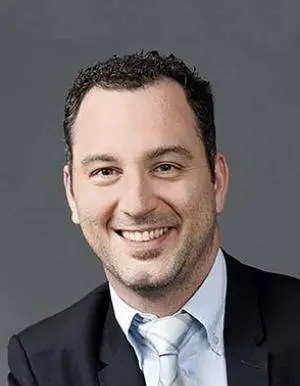 Kyriakos G. Vamvoudakis was born in Athens, Greece. He received the Diploma (a 5-year degree, equivalent to a Master of Science) in Electronic and Computer Engineering from the Technical University of Crete, Greece in 2006 with highest honors. After moving to the United States of America, he studied at The University of Texas at Arlington with Frank L. Lewis as his advisor, and he received his M.S. and Ph.D. in Electrical Engineering in 2008 and 2011 respectively. During the period from 2012 to 2016 he was project research scientist at the Center for Control, Dynamical Systems and Computation at the University of California, Santa Barbara. He was an assistant professor at the Kevin T. Crofton Department of Aerospace and Ocean Engineering at Virginia Tech until 2018. He currently serves as the Dutton-Ducoffe Endowed Professor at The Daniel Guggenheim School of Aerospace Engineering at Georgia Tech. His expertise is in reinforcement learning, control theory, game theory, cyber-physical security, bounded rationality, and safe/assured autonomy. Dr. Vamvoudakis is the recipient of a 2019 ARO YIP award, a 2018 NSF CAREER award, a 2018 DoD Minerva Research Initiative Award, a 2021 GT Chapter Sigma Xi Young Faculty Award and his work has been recognized with best paper nominations and several international awards including the 2016 International Neural Network Society Young Investigator (INNS) Award, the Best Paper Award for Autonomous/Unmanned Vehicles at the 27th Army Science Conference in 2010, the Best Presentation Award at the World Congress of Computational Intelligence in 2010, and the Best Researcher Award from the Automation and Robotics Research Institute in 2011. He currently is a member of the IEEE Control Systems Society Conference Editorial Board, an Associate Editor of: Automatica; IEEE Transactions on Automatic Control; IEEE Transactions on Neural Networks and Learning Systems; IEEE Computational Intelligence Magazine; IEEE Transactions on Systems, Man, and Cybernetics: Systems; IEEE Transactions on Artificial Intelligence; Neurocomputing; Journal of Optimization Theory and Applications; and of Frontiers in Control Engineering-Adaptive, Robust and Fault Tolerant Control. He had also served as a Guest Editor for, IEEE Transactions on Automation Science and Engineering (Special issue on Learning from Imperfect Data for Industrial Automation); IEEE Transactions on Neural Networks and Learning Systems (Special issue on Reinforcement Learning Based Control: Data-Efficient and Resilient Methods); IEEE Transactions on Industrial Informatics (Special issue on Industrial Artificial Intelligence for Smart Manufacturing); and IEEE Transactions on Intelligent Transportation Systems (Special issue on Unmanned Aircraft System Traffic Management). He is also a registered Electrical/Computer engineer (PE), a member of the Technical Chamber of Greece, an Associate Fellow of AIAA, and a Senior Member of IEEE.
Wednesday, February 19, 2025
3:30 PM
Zumberg Hall, Room 252 (ZHS 252)
The Zoom webinar is at https://usc.zoom.us/j/96060458816?pwd=8LmoG2q6vBCQubqqWpcizd2F1bxqsH.1
host: Nguyen
From Neurological Disorders to Additive Manufacturing: Integrating isogeometric analysis with deep learning and digital twins
Jessica Zhang
George Tallman Ladd and Florence Barrett Ladd Professor
Department of Mechanical Engineering
Carnegie Mellon University
Pittsburg, PA
For neurological disorders, a novel phase field model is introduced, simulating neurite outgrowth and disorders using IGA. Combining IGA with convolutional neural networks, the talk analyzes key parameters affecting neurodevelopmental disorders and presents a PDE-constrained optimization model for neurodegenerative disorders. Additionally, an IGA-based physics-informed graph neural network is developed to predict intracellular transport in complex neuron geometries.
This talk explores the integration of physics-based simulations with data-driven modeling, focusing on isogeometric analysis (IGA), deep learning, and digital twins for two main applications: neurological disorders and additive manufacturing (AM). In the AM domain, the talk covers AI-driven inverse design for 4D printing, IGA-based topology optimization for heat exchangers, and rapid geometry distortion prediction in metal printing processes. Ongoing efforts include developing digital twins for efficient process control in laser powder bed fusion (LPBF) manufacturing.
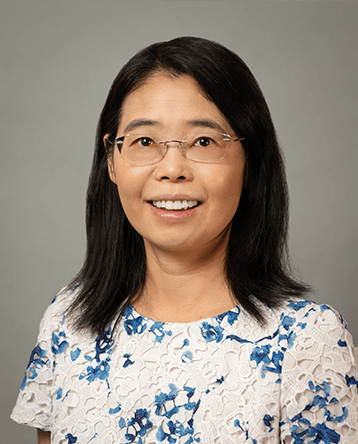 Jessica Zhang is the George Tallman Ladd and Florence Barrett Ladd Professor of Mechanical Engineering at Carnegie Mellon University, with a courtesy appointment in Biomedical Engineering. She earned her B.Eng. in Automotive Engineering and M.Eng. in Engineering Mechanics from Tsinghua University, and her M.Eng. in Aerospace Engineering and Ph.D. in Computational Engineering and Sciences from The University of Texas at Austin. Her research interests include computational geometry, isogeometric analysis, the finite element method, data-driven simulations, and image processing, with a strong focus on their applications in computational biomedicine and engineering. Zhang has co-authored over 230 publications in peer-reviewed journals and conference proceedings and is the author of the book Geometric Modeling and Mesh Generation from Scanned Images (CRC Press). Her work spans both theoretical development and practical applications, contributing significantly to advancements in both fields. She is a Fellow of prominent societies, including ASME, SIAM, IACM, USACM, IAMBE, AIMBE, SMA, and ELATES at Drexel, highlighting her distinguished reputation in the field. Currently, she serves as the Editor-in-Chief of Engineering with Computers, further establishing her leadership in computational science and engineering research.
Wednesday, February 26, 2025
3:30 PM
Zumberg Hall, Room 252 (ZHS 252)
The Zoom webinar is at https://usc.zoom.us/j/96060458816?pwd=8LmoG2q6vBCQubqqWpcizd2F1bxqsH.1
From Folding to Scaling: A Tour Through Nonlinear Mechanics
Huan Liu
Drinkward Postdoctoral Fellow
Department of Mechanical and Civil Engineering
California Institute of Technology
Pasadena, CA
Origami, the art of folding paper into intricate shapes, has growing practical applications across fields such as architectural design, therapeutics, deployable space structures, antenna design, and soft robotics. One promising yet largely unexplored area is curved tile origami, which can store elastic energy, offering opportunities to develop next-generation functional materials, structures, and actuators. In the first part of my talk I will present a general theory of curved origami and systematic design methods for constructing large-scale, complex curved origami structures. Additionally, I will present methods to accurately calculate the stored elastic energy and the folding motions of curved origami, and I will illustrate my theoretical results by presenting some complex structures I have folded. This theory has inspired applications of curved origami in fields ranging from medical devices to a vertical-axis wind turbine, to architected materials.
These applications typically involve interacting fluids, highly deformable elastic solids and rigid bodies, and it would be useful in many situations to define dynamically similar surrogates. In the second part of this talk I will present an accepted macroscale system of partial differential equations including fully coupled incompressible Navier-Stokes fluid dynamics, quite general nonlinear elasticity, and rigid body mechanics for a complex mechanical system, and show by rigorous reasoning that there is a set of scaling laws where length, time, density, elastic modulus, viscosity, and gravitational constant undergo nontrivial scaling. I have applied these laws to a diverse range of systems in nature, including birds, fish, mammals, reptiles, amphibians, crustaceans, microorganisms, and plants. The uniform agreement of the scaling laws with the dynamics of fauna, flora, and microorganisms supports the dominating role of coupled nonlinear elasticity and fluid dynamics in evolutionary development. I will also present the predictions for some prehistoric cases for which observations are unavailable, as well as applications to space exploration.
Overall, my talk illustrates that nonlinear mechanics is a powerful predictive tool to address the complexity of modern engineering problems.
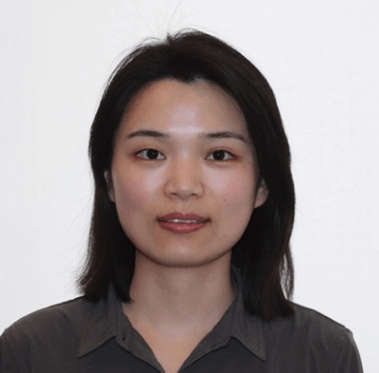 Huan Liu is a Drinkward Postdoctoral Fellow at California Institute of Technology. Prior her postdoc, she received her Ph.D. in Aerospace Engineering and Mechanics from University of Minnesota in 2024. She is also a co-founder of WhirrlEnergy LLC, a startup focused on revolutionizing the wind energy industry by producing clean energy through a highly optimized vertical-axis wind turbine. Her interests are focused on understanding the complex nonlinear mechanics in materials, structures, and coupled mechanical systems, discovering new materials and structures, and fostering sustainability.
Wednesday, March 5, 2025
3:30 PM
Zumberg Hall, Room 252 (ZHS 252)
The Zoom webinar is at https://usc.zoom.us/j/96060458816?pwd=8LmoG2q6vBCQubqqWpcizd2F1bxqsH.1
host: Ronney
Liquid Crystalline Elastomers for Reversible Actuation and Energy Dissipation
Mohand Saed
University Royal Society Fellow
Cavendish Laboratory
Cambridge University
Cambridge
Liquid crystalline elastomers (LCEs) are a versatile class of functional materials exhibiting exceptional properties, including large-stroke reversible actuation, anomalous mechanical energy damping, and reversible pressure-sensitive adhesion. A defining feature of LCEs is their soft elasticity, characterized by a plateau of low, nearly constant stress during stretching, slow stress relaxation, and enhanced surface adhesion. This presentation explores the potential of LCEs in actuator applications and highlights their intrinsic energy dissipation mechanisms, particularly in reversible adhesion and vibration damping.
 Mohand Saed is a University Royal Society Fellow and a group leader at the Cavendish Laboratory, University of Cambridge, specializing in smart, sustainable, and stimuli-responsive polymers. His research spans new material design, additive manufacturing, vitrimers, adhesives, and liquid crystalline elastomers (LCEs).
Over a decade-long academic career, Dr. Saed has made pioneering contributions to polymer science. During his PhD at the University of Colorado, he played a crucial role in overcoming synthesis challenges in LCEs, introducing click chemistry for scalable production. His dissertation led to seven publications and a US patent, revolutionizing the field. As a postdoctoral researcher at the University of Texas, he expanded into 3D printing and microfabrication, developing a 4D printing technique for LCEs, now widely adopted. This work resulted in three papers and another US patent.
At Cambridge, Dr. Saed has published over 30 original papers, filed four patents, and secured over £2 million in research funding. He co-founded Cambridge Smart Plastics Ltd, serving as Chief Technical Officer, to commercialize vitrimer technologies developed during his tenure.
As of March 2025, he has 43 original papers, 6 patents (3 granted, 3 filed), 2,900 citations, and an H-index of 26. His research is featured in leading journals such as Chemical Reviews, Nature Communications, and Advanced Materials.
Wednesday, March 12, 2025
3:30 PM
Zumberg Hall, Room 252 (ZHS 252)
host: Maghsoodi
Origami Wrapping Patterns: Out of the Plane and towards Spacecraft Applications
Manan Arya
Assistant Professor
Department of Aeronautics and Astronautics
Stanford University
Stanford, CA
Origami wrapping patterns take flat sheets of material and wrap them around a central hub. Structures based on such origami patterns have been advanced for deployable spacecraft elements, such as antennas and starshades. In this talk, we will explore two extensions of this idea to unfolded forms that are inherently non-planar: (1) corrugated polyhedral surfaces with non-zero angular defects at each vertex, and (2) smooth doubly-curved surfaces with curved creases. Structures based on these forms have applications as deployable spacecraft solar arrays and radio-frequency reflectors. We will discuss the design of algorithms to generate the forms and fold patterns, numerical models of structural performance, and physical realizations and testing. Finally, we will briefly assess their performance as spacecraft components.
 Manan Arya is an Assistant Professor in the Department of Aeronautics and Astronautics at Stanford University. There, he directs the Morphing Space Structures Lab, which develops and matures novel high-performance lightweight shape-changing spacecraft structures. Prior to joining Stanford, Manan was a Technologist at the Jet Propulsion Laboratory, California Institute of Technology. He received his PhD from the California Institute of Technology.
Wednesday, March 26, 2025
3:30 PM
Zumberg Hall, Room 252 (ZHS 252)
host: Plucinski
Biomimetic, Biohybrid, and Biodegradable: Robots for a sustainable future
Vickie Webster-Wood
Associate Professor
Department of Mechanical Engineering
Carnegie Mellon University
Pittsburgh, PA
In the last century it was common to envision robots of the future as shining metal structures with rigid and halting motion. This imagery is in sharp contrast to the fluid and organic motion of living organisms that inhabit our natural world. As robotics has advanced, animals are often turned to for inspiration. However, the adaptability, complex control, and advanced learning capabilities observed in animals are not yet fully understood, and therefore have not been fully captured by current robotic systems. Furthermore, many of the mechanical properties and physical capabilities seen in animals have yet to be achieved in robotic platforms. In this talk, I will share efforts from my group in Biomimetic, Biohybrid, and Biodegradable robotics. By using neuromechanical models and bioinspired robots as tools for basic research we are developing new models of how animals achieve multifunctional, adaptable behaviors. Building on our understanding of animal systems and living tissues, our research in biohybrid robotics is enabling new approaches toward the creation of autonomous biodegradable living robots. Finally, by using farmable plant-based materials, we can now create robotic components that are fully degradable in natural environments. These robotic systems have future applications as sustainable platforms for medicine, search and rescue, and environmental monitoring of sensitive environments.
Vickie Webster-Wood is an Associate Professor in the Department of Mechanical Engineering at Carnegie Mellon University with courtesy appointments in the Department of Biomedical Engineering, the McGowan Institute of Regenerative Medicine, and the Robotics Institute. She is the director of the C.M.U. Biohybrid and Organic Robotics Group and has a long-term research goal to develop completely organic, biodegradable, autonomous robots. Research in the C.M.U. B.O.R.G. brings together bio-inspired robotics, tissue engineering, and computational neuroscience to study and model neuromuscular control and translate findings to the creation of renewable robotic devices. Dr. Webster-Wood completed her postdoc at Case Western Reserve University in the Tissue Fabrication and Mechanobiology Lab under the direction of Dr. Ozan Akkus. During her postdoc, Dr. Webster-Wood was supported by the T32 Training Grant in Musculoskeletal Research. She received her Ph.D. in Mechanical Engineering from the same institution as an N.S.F. Graduate Research Fellow in the Biologically Inspired Robotics Lab, during which time she was co-advised by Drs. Roger Quinn, Ozan Akkus, and Hillel Chiel. She received the NSF CAREER Award in 2021 and leads the SSymBioTIC MURI on Integrated Biohybrid Actuators team. She is also a co-PI of the N.S.F. NeuroNex Network on Communication, Coordination, and Control in Neuromechanical Systems (C3NS), and has received additional funding from the NSF Foundational Research in Robotics Program, a PITA grant from the Commonwealth of Pennsylvania, Department of Community and Economic Development, as well as funding from the PA Manufacturing Initiative, and the Manufacturing Futures Initiative.
Thursday, March 27, 2024
10:00 AM
The Laufer Conference Room (OHE 406)
host: Kanso
Non-Equilibrium Stimuli-Responsive Soft Materials
Lihua Jin
Associate Professor
Department of Mechanical and Aerospace Engineering
UCLA
Los Angeles, CA
One recent impetus of developing stimuli-responsive soft materials (SRSMs) is to use them for sensors, actuators and soft robots. In these applications, mechanics and multi-physics fields are intrinsically coupled through non-equilibrium thermodynamic processes, including diffusion, reaction, viscoelastic relaxation, etc. The non-equilibrium processes of SRSMs not only determine their response speeds, but also govern how SRSMs spatiotemporally evolve their properties and structures. In this talk, using hydrogels, shape memory polymers, humidity-responsive polymers and liquid crystal elastomers as model SRSMs, I will present a few of our recent studies on programing the spatiotemporal properties, shapes, and locomotion of SRSMs through non-equilibrium processes. First, I will describe how mechanical stress can be used to induce and tune the phase separation processes of hydrogels. Second, I will show that the fracture properties and behavior of SRSMs are also highly intertwined with their non-equilibrium processes. Finally, by utilizing the displacement of SRSMs to alter their interaction with external stimuli, we are able to achieve complex and autonomous motion of SRSMs.
 Lihua Jin is an associate professor in the Department of Mechanical and Aerospace Engineering at the University of California, Los Angeles (UCLA). Before joining UCLA in 2016, she was a postdoctoral scholar at Stanford University. In 2014, she obtained her PhD degree in Engineering Sciences from Harvard University. Prior to that, she earned her Bachelor’s and Master’s degrees from Fudan University. Lihua conducts research on mechanics of soft materials, stimuli-responsive materials, instability and fracture, soft robotics, and biomechanics. She was the winner of the Haythornthwaite Research Initiative Grant, Extreme Mechanics Letters Young Investigator Award, Hellman Fellowship, NSF CAREER Award, ACS PMSE Early Investigator Award, Sia Nemat-Nasser Early Career Award, and SES Huajian Gao Young Investigator Medal.
Wednesday, April 2, 2025
3:30 PM
Zumberg Hall, Room 252 (ZHS 252)
host: Plucinsky
Hypersonic Boundary Layer Transition over Blunt Cones
Pedro Paredes
Research Scientist
Computational AeroSciences Branch
NASA Langley Research Center
Hampton, Virginia
The linear amplification of modal Mack-mode disturbances that lead to boundary-layer transition in two-dimensional/axisymmetric hypersonic configurations is strongly reduced by the presence of a blunt nosetip. The mechanisms underlying the low Mack-mode N-factor values at the observed onset of transition over the cone frustum are currently unknown. As the nose bluntness is increased beyond the critical nose Reynolds number for transition reversal, the transition location rapidly moves upstream, and transition appears to depend on uncontrolled disturbances due to nosetip roughness. Linear nonmodal analysis has shown that both planar and oblique traveling disturbances that peak within the entropy layer experience appreciable energy amplification for moderate to large nosetip bluntness. Nonlinear nonmodal analysis shows that planar entropy-layer disturbances excited near the nose tip can excite the high frequency Mack-mode disturbances and hence, can lead to a reduction in the transition N-factor. Digital wind-tunnel simulations are conducted via direct numerical simulations (DNS) to understand the effects of freestream acoustic disturbances in transition over blunt cones during a conventional tunnel experiment. The results confirm the appearance of entropy-layer disturbances predicted by linear nonmodal analysis and the numerical schlieren contours show the inclined structures predicted by nonlinear nonmodal analysis and observed in experiments.
 Pedro Paredes is a Research Scientist at the Computational AeroSciences Branch of the NASA Langley Research Center. Dr. Paredes earned his Ph.D. and M.Sc. in Aerospace Engineering from the Polytechnic University of Madrid, Spain. He was one of the recipients of the Air Force Office of Scientific Research Young Investigator Award in 2020 and has been awarded with two Office of Naval Research grants as the principal investigator. Dr. Paredes was honored with the American Institute of Aeronautics and Astronautics (AIAA) Associate Fellow distinction in 2024. The research activities of Dr. Paredes are related to boundary layer transition (BLT) prediction and physics-based development of technology concepts for BLT control across the flight speed regimes. He has developed and applied advanced, multidimensional stability-analysis methods for BLT prediction of high-speed flow configurations. With a prolific academic record, he has authored over 50 journal articles and 80 conference papers.
Wednesday, April 9, 2025
3:30 PM
Zumberg Hall, Room 252 (ZHS 252)
host: Bermejo-Moreno
Computational Cardiac Fluid Dynamics In Vitro and In Vivo
Boyce Griffith
Professor
Department of Mathematics
University of North Carolina at Chapel Hill
Chapel Hill, NC
Cardiac fluid dynamics fundamentally involves interactions between complex blood flows and the structural deformations of the muscular heart walls and the thin, flexible valve leaflets. This talk will provide an overview of modern numerical methods for treating such fluid-structure interactions and detail some of their applications to cardiac fluid dynamics. I will initially focus on models of an in vitro pulse-duplicator system that is commonly used in the development and regulation of prosthetic heart valves. These models enable detailed comparisons between experimental data and computational model predictions but use highly simplified descriptions of cardiac anatomy and physiology. I will describe experimental and computational investigations on determinants of prosthetic heart valve dynamics using this platform. I will also present recent in vitro models, including a patient-specific model of transcatheter aortic valve replacement and a new comprehensive model of the human heart. This heart model includes fully three-dimensional descriptions of all major cardiac structures along with biomechanics models that are parameterized using experimental tensile test data obtained exclusively from human tissue specimens. Simulation results demonstrate that the model generates physiological stroke volumes, pressure-volume loops, and valvular pressure-flow relationships, thereby illustrating is its potential for predicting cardiac function in both health and disease. I will end the talk by describing extensions of this model to incorporate a comprehensive description of cardiac electrophysiology and electro-mechanical coupling.
 Boyce Griffith is a Professor of Mathematics at the University of North Carolina at Chapel Hill (UNC-Chapel Hill) with a joint appointment in the Lampe Joint Department of Biomedical Engineering at UNC-Chapel Hill and North Carolina State University. He received a PhD in Mathematics from New York University's Courant Institute of Mathematical Sciences in 2005. His interests include mathematical modeling and computer simulation of cardiac mechanics, fluid dynamics, and electrophysiology, with a focus on the fluid dynamics of native and prosthetic heart valves.
Wednesday, April 16, 2025
3:30 PM
Zumberg Hall, Room 252 (ZHS 252)
host: Pahlevan
A Quest Towards Load-Bearing Shape-Morphing Structures
Paolo Celli
Assistant Professor
Department of Civil Engineering
Stony Brook University
Stony Brook, NY
Shape-morphing metamaterials, mechanical systems and structures are designed to predictably achieve large shape changes when actuated. These systems are often designed to undergo large deformations when loaded; the issue of turning them into functional, load-bearing structures is seldom considered, even though this is crucial for potential structural applications of such systems. This talk will showcase some of our current activities in this context.
First, we will present a strategy to turn flat arrangements of structural elements into pop-up domes, investigating their load-bearing capacity and comparing them to existing structures such as gridshells. Then, we will illustrate how to create morphing structures that can retain their shape via localized snap-through buckling and without the need for external anchoring; we will also illustrate how these structures can be inverse-designed to achieve desired shapes and to display mechanical memory.
 Paolo Celli is an Assistant Professor in the Department of Civil Engineering at Stony Brook University. His research involves experimental and computational aspects of solid and structural mechanics, structural dynamics, and wave mechanics. His current interests are in the areas of i) shape-morphing and deployable structures, ii) dynamic structures with time-varying properties, iii) structures for energy and iv) robotics applications. Prior to joining SBU in January 2020, he was a postdoc at Caltech and obtained his PhD in civil engineering from the University of Minnesota.
Wednesday, April 23, 2025
3:30 PM
Zumberg Hall, Room 252 (ZHS 252)
host: Plucinsky
Manipulating Mechanical Wave Propagation with Phononic Materials
Kathryn (Katie) Matlack
Associate Professor
Department of Mechanical Science and Engineering
University of Illinois at Urbana-Champaign
Urbana, IL
One grand challenge for materials and structures design is to satisfy multiple conflicting requirements. For example, energy infrastructure, especially those in remote and extreme environments such as offshore wind turbines and nuclear reactors, requires components to operate effectively over long time periods and avoid catastrophic failures. Structural materials in aviation must be lightweight but high in strength, stiff while dampening out harmful vibrations, survive damaging impact events, and interact with complex flows in non-detrimental ways. On smaller length scales, acoustic and ultrasonic sensors require specific frequency and dissipative responses, and need to detect wavelengths that are much smaller than their physical size. This talk focuses on a common theme to these critical engineering problems: understanding how mechanical waves interact with engineered materials across different length and time scales. In particular, the field of phononic materials studies how engineering micro- and meso-scale features in materials and structures can prescribe the frequency and spatial properties of acoustic waves. Features such as spatial periodicity of the material or geometry, resonant inclusions, and nonlinearities can lead to wave propagation and modal properties not found in natural materials. New wave propagation phenomena have been discovered in these material platforms, which has been a direct result of an interdisciplinary research approach, integrating additive manufacturing, acoustics, mechanics, materials science, and design. This presentation will discuss our group’s recent research in phononic materials, focusing on (1) effects nonlinearity on wave propagation in phononic materials, and (2) applications of phononic materials to passive flow control, using reduced order models, finite element simulations, and experiments.
Kathryn (Katie) Matlack is an Associate Professor and Richard W. Kritzer Faculty Scholar in the Department of Mechanical Science and Engineering at the University of Illinois at Urbana-Champaign, where she leads the Wave Propagation and Metamaterials laboratory. Prior, she received her bachelor’s degree in mechanical engineering from MIT, her PhD from Georgia Tech, and was an ETH Postdoctoral Fellow at ETH Zurich. She is a recipient of Young Investigator Awards from both the Air Force Office of Scientific Research and the Army Research Office, the NSF CAREER award, the ASME CD Mote Early Career Award, and the UIUC Dean’s Award for Excellence in Research. She currently serves as an Associate Editor for the Journal of Vibration and Acoustics and Wave Motion.
Wednesday, April 30, 2025
3:30 PM
Zumberg Hall, Room 252 (ZHS 252)
host: Maghsoodi
Fall, 2025
Turbulence as the Stability of Three Fundamental Flow Structures
Johan Hoffman
Professor
Division of Computational Science and Technology
KTH Royal Institute of Technology.
Stockholm, Sweden
Turbulence theory builds on two main results: (i) the Navier-Stokes equations from about 200 years ago, a set of partial differential equations with the viscosity as the sole empirical parameter that under given flow conditions describe the evolution of velocity and pressure; and (ii) a statistical theory from almost 100 years ago, which under the assumptions of statistical homogeneity and isotropy states that there exists an inertial subrange of scales where energy dissipation is independent of viscosity so that the energy spectrum satisfies a certain power law. Two important developments are: (iii) the extension of the statistical theory into a theory of non-uniform, localized energy dissipation, referred to as intermittency; and (iv) the Onsager conjecture that turbulence can be modelled by weak solutions to the inviscid Euler equations, hence, without viscosity at all. In this talk we present a model of turbulence in the form of three fundamental flow structures: rigid body rotation, pure strain, and shear flow; each with its own distinct stability property. Rotation is stable and can exist for a long time; shear is linearly unstable and only exits for a short time before transforming into rotation (roll-up); and strain is exponentially unstable, therefore, only exists in short instants before transforming into shear (compression) or rotation (vortex stretching). This model connects (i)-(iv) and is consistent with classical fluid mechanics phenomena driven by flow instabilities, such as the Kelvin-Helmholtz instability, boundary layer transition to turbulence, and the turbulent flow separation (d’Alembert paradox). Further, we show how this model can be used to construct a mechanistic model of the turbulent energy cascade.
 Johan Hoffman is professor and deputy head of the division of computational science and technology at KTH Royal Institute of Technology in Stockholm. He is a founder of the FEniCS open source software project, and he combines fundamental research in mathematics, fluid mechanics, and computational science with applied research in interdisciplinary collaborations with industry and society. He earned his Ph.D. in applied mathematics at Chalmers University, was a postdoc fellow at the Courant Institute at New York University, and has been a visiting researcher at Oxford University, University of Chicago, Stanford University, University of Heidelberg, UPC Barcelona, the Auckland Bioengineering Institute, and the Basque Center for Applied Mathematics.
Monday, August 25, 2025
12:00 NOON
Laufer Conference Room (OHE 406)
host: Oberai
Ice Sculpturing with Laminar Flow
Xiaojing (Ruby) Fu
Assistant Professor
Mechanical and Civil Engineering
California Institute of Technology
Pasadena, CA
This talk examines the physics of unsaturated water flow through subfreezing porous media and its role in shaping ice solidification within confined environments.
At the centimeter-to-meter scale, we use a nonequilibrium infiltration model to study refreezing structures that emerge during gravity-driven infiltration. Two freezing-induced mechanisms are shown to hinder infiltration: (i) partial freezing of infiltrating water, which reduces effective infiltration rates and can be characterized by a freezing Damköhler number, and (ii) the formation of secondary fingers—new flow paths that disrupt primary channels—leading to homogenization of the flow field and reduced infiltration efficiency. Preliminary experimental observations are presented to test these model predictions.
At the millimeter-to-centimeter scale, we investigate water imbibition in a subfreezing Hele-Shaw cell. Water at 0 °C is injected at a constant rate into a radial cell cooled by a temperature-controlled aluminum block. By varying flow rate and subcooling, we identify how solidification dynamics and flow morphology evolve across regimes.
These studies are motivated by the need to understand fundamental processes in cold-region hydrology, including snowpack, glacier, and permafrost evolution. Beyond the cryosphere, the insights extend to broader nonequilibrium solidification problems relevant to additive manufacturing, freeze casting, lava flows, and natural terrace landform development.
 Xiaojing (Ruby) Fu is an assistant professor in Mechanical and Civil engineering at California Institute of Technology, where she leads the group on Mechanics and Physics of Porous Media Flow. Her group combines mathematical theory, computation and laboratory experiments to advance our predicative capability of field-scale applications in a wide range of geoscience problems, including hydrology, gas hydrate systems and soil biogeochemistry, geologic carbon sequestration and geothermal systems. A primary focus of her current work is on understanding the physics of freezing flow through porous media.
Wednesday, August 27, 2025
3:30 PM
Seaver Science Library, Room 202 (SSL 202
host: Maghsoodi
Data-Driven Nonlinear Stability Analysis in Aeroelastic Systems
Amin Ghadami
Research Assistant Professor
Sonny Astani Department of Civil and Environmental Engineering
University of Southern California
Los Angeles, CA
The demand for increased fuel efficiency in aircraft and the necessity to address structural damage caused by sudden loading are driving an interest in new aircraft designs with lighter, more slender, and flexible configurations. Increased flexibility results in diverse nonlinear response phenomena due to complex fluid-structural interactions, making the system susceptible to unexpected instabilities in their dynamics, emphasizing the necessity to incorporate nonlinear stability analysis early in the design process. However, performing such analysis in aeroelastic systems remains challenging with traditional approaches. Despite the existence of analytical and numerical methods for performing such analysis, their use is limited in systems with large dimensionality or when an accurate mathematical model is lacking, leaving time-marching simulations as the common alternative, though they are computationally expensive and difficult to interpret. In this talk, I will present recently developed data-driven techniques for nonlinear stability analysis in aeroelastic systems. In particular, I will demonstrate that a combined use of invariants in nonlinear dynamics and data-driven methods offers an alternative to demanding analytical, computational, and experimental processes for nonlinear stability analysis in aeroelastic systems. Applications of this approach to models of highly flexible wings and experimental configurations prone to flutter instabilities will be demonstrated.
 Amin Ghadami is a Research Assistant Professor of Civil and Environmental Engineering and Aerospace and Mechanical Engineering at the University of Southern California. He received his Ph.D. in mechanical engineering in 2019, followed by a postdoctoral position at the University of Michigan-Ann Arbor from 2019 to 2022. His research is at the intersection of nonlinear dynamics and data-driven techniques with applications in mechanical and aerospace systems and structures. Dr. Ghadami is the recipient of the 2025 AFOSR Young Investigator Program Award for his research on nonlinear stability analysis of aeroelastic systems. He is also the recipient of several other honors and awards, including the University of Michigan Ivor K. McIvor Award, which recognized the excellence of his PhD research in applied mechanics. He is a member of the Technical Committee of Multibody Systems, Nonlinear Dynamics, and Control as well as the Technical Committee of Dynamics and Control of Systems and Structures within American Society of Mechanical Engineers (ASME).
Wednesday, September 3, 2025
3:30 PM
Seaver Science Library, Room 202 (SSL 202)
host: Ronney
Hierarchical Learning and Control for Agile and Adaptive Legged Robots
Quan Nguyen
Assistant Professor
Aerospace & Mechanical Engineering Department
University of Southern California
Los Angeles, CA
Optimization-based control methods, such as model predictive control (MPC) and trajectory optimization, are essential to advancing the locomotion capabilities of legged robots. However, for successful deployment in real-world environments, legged robots must be capable of rapid adaptation to unknown terrain, robust handling of model uncertainties, and effective interaction with unknown objects to perform practical manipulation tasks.
In this talk, I will present a hierarchical model predictive control framework that enables legged and humanoid robots to perform dynamic loco-manipulation tasks. I will also highlight our recent work on adaptive force-based control that enables legged robots to handle significant model uncertainty. These strategies allow the robots to interact robustly with unknown objects, particularly in scenarios involving the transport of heavy loads over rough terrain.
Finally, I will discuss how we extend our hierarchical control principles into the domain of reinforcement learning to acquire long-term adaptive behaviors in both control actions and trajectory planning for legged and humanoid robots.
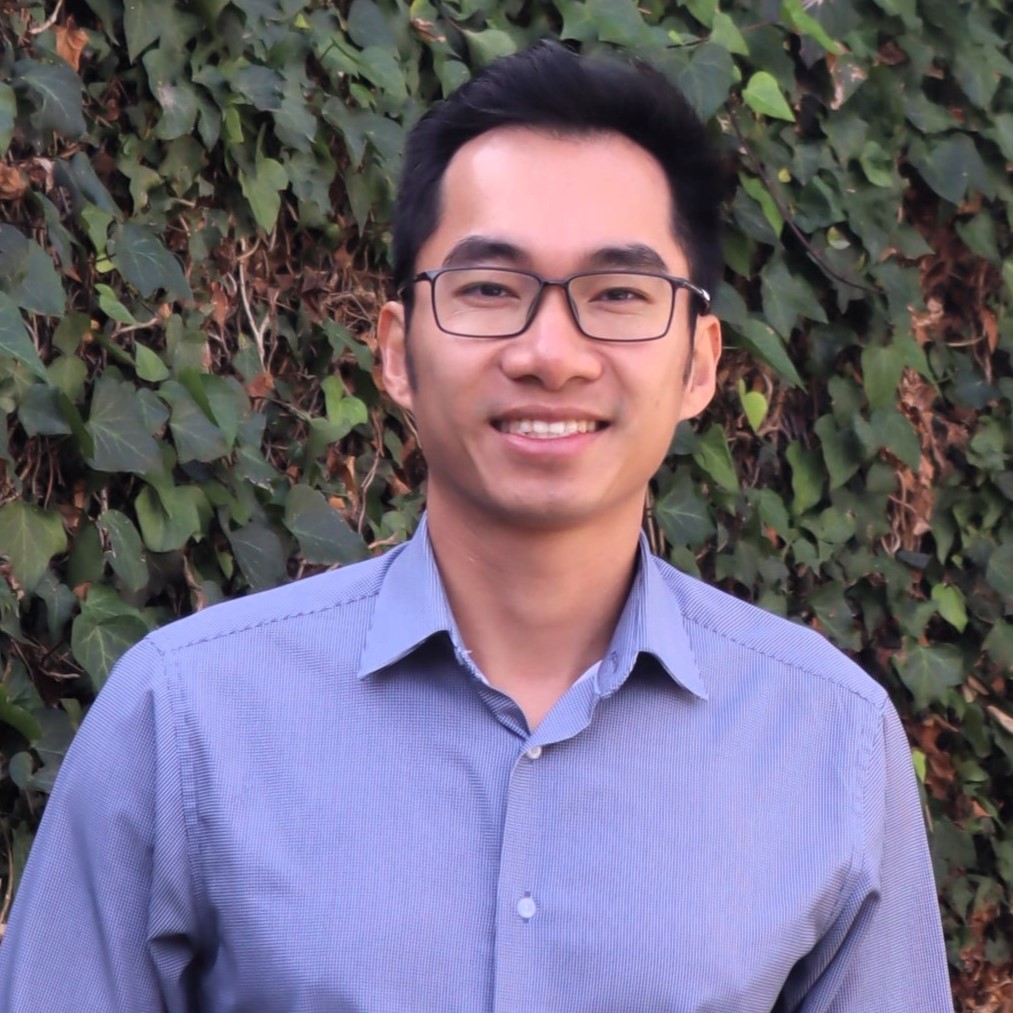 Quan Nguyen is an Assistant Professor of Aerospace and Mechanical Engineering at the University of Southern California. He is also the Chief Scientific Officer of VinMotion, a humanoid robotics company established by Vingroup, the largest private enterprise in Vietnam. Prior to joining USC, he was a Postdoctoral Associate in the Biomimetic Robotics Lab at the Massachusetts Institute of Technology (MIT). He received his Ph.D. from Carnegie Mellon University (CMU) in 2017 with the Best Dissertation Award.
His research interests span different learning and control approaches for highly dynamic robotics, including nonlinear control, trajectory optimization, adaptive control, and reinforcement learning. His work was featured widely in many major media channels, including CNN, BBC, NBC, IEEE Spectrum, etc. Nguyen won the Best Presentation of the Session at the 2016 American Control Conference (ACC) and the Best System Paper Finalist at the 2017 Robotics: Science & Systems conference (RSS). He is also a recipient of the 2020 Charles Lee Powell Foundation Faculty Research Award.
Wednesday, September 10, 2025
3:30 PM
Seaver Science Library, Room 202 (SSL 202)
host: Ronney
Robots and Sensors for Movement Rehabilitation: What Have We Learned and What Comes Next?
David Reinkensmeyer
Professor
Departments of Mechanical and Aerospace Engineering, Anatomy and Neurobiology, Biomedical Engineering, and Physical Medicine and Rehabilitation
University of California at Irvine
Irvine, CA
A fundamental goal of movement rehabilitation following neurologic injuries such as stroke is to enhance sensorimotor plasticity through targeted movement practice. Over the past 40 years, researchers have developed robotic and sensor-based technologies to facilitate and quantify this practice. In this talk, I will describe key insights into post-stroke motor control that have emerged from these technologies. I will also discuss recent findings that reveal which individuals benefit most from robot-assisted training and why, highlighting the role of somatosensory feedback in what appears to be a reinforcement learning-driven process. Finally, I will provide examples of mechatronic rehabilitation technologies that have successfully transitioned into clinical and home settings, inviting discussion on the design factors that drive their adoption and impact.
 David Reinkensmeyer is Professor in the Departments of Mechanical and Aerospace Engineering, Anatomy and Neurobiology, Biomedical Engineering, and Physical Medicine and Rehabilitation at the University of California at Irvine. He received the B.S. degree in electrical engineering from the Massachusetts Institute of Technology and the M.S. and Ph.D. degrees in electrical engineering from the University of California at Berkeley, studying robotics and the neuroscience of human movement. He carried out postdoctoral studies at the Rehabilitation Institute of Chicago developing robotic devices for rehabilitation therapy after stroke before becoming a assistant professor at U.C. Irvine in 1998. He is co-inventor of the T-WREX upper extremity training device, which was commercialized as ArmeoSpring, and the MusicGlove finger training device. He was Editor-in-Chief of the Journal of Neuroengineering and Rehabilitation for 10 years and is co-director of the NIDILRR COMET Robotic Rehabilitation Engineering Center, co-editor of the of the book Neurorehabilitation Technology, and a fellow of the National Academy of Inventors.
Wednesday, September 17, 2025
3:30 PM
Seaver Science Library, Room 202 (SSL 202)
host: Maghsoodi
—Laufer Lecture—
Probing Turbulence Physics Using High Fidelity Numerical Simulations with Application to Model-Based Engineering
Parviz Moin
Franklin P. and Caroline M. Johnson Professor of Mechanical Engineering
Center for Turbulence Research
Stanford University
Stanford, CA
High fidelity numerical simulations have provided unprecedented comprehensive datasets for the study of the mechanics of turbulent flows. A brief review of fundamental research on the structure and mechanics of wall-bounded turbulent flows will be presented with particular emphasis on the role played by large scale numerical simulations in conducting controlled experiments of discovery. Although incorporation of the results from these simulations into practical engineering models remains an important area of research, a key insight gained from these novel numerical experiments has been the demonstration of the independence of self-sustaining dynamics of near wall-turbulence from the outer layer structures. In retrospect this insight has been underpinning the success of the so-called wall modeled LES of complex wall bounded turbulent flows.
I will conclude by presenting recent progress in large eddy simulation of complex flows, specifically for prediction of aircraft performance at the edges of flight envelope. Recent work has demonstrated that leveraging large eddy simulation with appropriate wall/subgrid-scale models and low dissipation numerical methods on modern computer architectures offers a tractable path towards meeting industry’s stringent accuracy and affordability requirements. The success of these calculations in predicting important quantities of practical interest is further evidence of the robust nature of near wall turbulence.
 Parviz Moin is the Franklin P. and Caroline M. Johnson Professor of Mechanical Engineering and the Founding Director of the Center for Turbulence Research (CTR) and the Institute for Computational and Mathematical Engineering (ICME) at Stanford University. Professor Moin pioneered the use of Direct Numerical Simulation for the study of turbulence physics, and has written widely on the structure of turbulent shear flows. His current interests include numerical simulation of complex multi-physics turbulent flows. Professor Moin is a Fellow of the American Physical Society, AIAA, and the American Academy of Arts and Sciences. He is a member of the United States National Academy of Engineering, and the National Academy of Sciences.
Wednesday, September 24, 2025
Reception at 2:30 PM
Seminar at 3:30 PM
Michelson Hall, Room 101 (MCB 101)
host: Ronney
Advanced Manufacturing for Extreme Environment Spacecraft Applications at NASA JPL/Caltech
Douglas Hofmann
Senior Research Scientist
Materials Development and Manufacturing Technology Group
Jet Propulsion Laboratory
Pasadena, CA
For the past 15 years, NASA’s Jet Propulsion Laboratory has had a robust research activity in advanced materials and manufacturing, with focus on the development of new metal alloys and manufacturing technologies for extreme environment spacecraft and rovers. This has involved the creation of many new applications for advanced materials, such as innovative spacecraft shielding, cryogenically capable gears for space applications, novel robotics applications, and lightweight wheels for planetary rovers, among others. The research has spanned the technology development spectrum, from early prototyping through successful infusion of hardware on the Mars Perseverance Mars rover and on the Europa Clipper flagship spacecraft. This talk will give an overview of some of the technologies and applications that have been developed as part of this materials and manufacturing effort.
 Douglas Hofmann is a Senior Research Scientists, Principal Scientist, and founding member of the Materials Development and Manufacturing Technology Group at JPL. He is founder of the JPL Metallurgy Facility, co-founder of JPL’s Additive Manufacturing Center and has been a Visiting Associate and Lecturer in Applied Physics and Materials Science at Caltech for 15 years. He holds an M.S. and Ph.D. from Caltech in Materials Science and Engineering and a B.S. and M.S. in Mechanical Engineering from U.C. San Diego. He is a recipient of several awards, including the 2012 Presidential Early Career Award for Scientists and Engineers from President Obama, and the inaugural Young Innovator in the Materials Science of Additive Manufacturing Award from The Minerals, Metals and Materials Society. He is a 2024 Fellow of the National Academy of Inventors. Doug has over 35 granted patents in materials and manufacturing and has successfully founded two commercial NASA spinoff companies that are exclusively licensing JPL technology.
Wednesday, October 1, 2025
3:30 PM
Seaver Science Library, Room 202 (SSL 202)
host: Chen
Autonomy On-Orbit and Beyond: Expanding Mission Capabilities in Extreme Environment Robotics
Keenan Albee
Assistant Professor
Department of Astronautical Engineering
University of Southern California
Los Angeles, CA
Autonomy is essential to making rapid decisions in safety-critical situations and dealing with tasks too complex for a human teleoperator. Within the space robotics community, the confluence of enhanced processing power, algorithmic maturity, and growing acceptance of autonomy in risk-averse domains is leading to a renaissance in its use. This talk explores some of the enduring algorithmic and safety challenges of working with increasing complexity in space and extreme environment robotics autonomy; in particular, the problem of motion planning and control under uncertainty will be explored in the context of providing robot motion that is safe, real-time, and tailored to the needs of real robotic systems. This work is framed in the context of novel planning and control techniques in microgravity close proximity operations and planetary surface robotics, demonstrating, respectively, 1) planning, control, and state estimation for autonomous on-orbit rendezvous with an uncharacterized tumbling target; and 2) highly-constrained model predictive control for roving in unknown environments. Flight demonstrations of these techniques will be discussed for the Astrobee free-flyers aboard the ISS, and the Cooperative Autonomous Distributed Robotic Explorer (CADRE) rovers launching to the Moon.
 Keenan Albee is an Assistant Professor at the University of Southern California and former Robotics Technologist in the Maritime and Multi-Agent Autonomy group at the NASA Jet Propulsion Lab. He received a Ph.D. in Aeronautics and Astronautics (Autonomous Systems) from MIT in 2022 under a NASA Space Technology Research Fellowship. His research focuses on model-aware autonomy for space and extreme environment robotics, leveraging real-time tools to make autonomous robotic operations safer and more efficient. His work includes the first autonomous on-orbit rendezvous with an uncharacterized tumbling target—demonstrated on the Astrobee robots aboard the ISS—and multiple planning and multi-agent decision-making algorithms aboard the fully autonomous CADRE lunar rovers launching to the Moon. His research interests span extreme environment robotics, safe motion planning and control under uncertainty, and novel extreme environment systems development with a “theory to practice” philosophy of real-world field hardware validation.
Wednesday, October 8, 2025
3:30 PM
Seaver Science Library, Room 202 (SSL 202)
host: Luhar
USC Space Engineering Research Center Overview for AME
David Barnhart
Research Professor
Department of Astronautical Engineering
USC
Los Angeles, CA
A jointly supported center between the Department of Astronautical Engineering and the Information Sciences Institute has built up its research portfolio dedicated to Space. The Space Engineering Research Center (or SERC) was formed in 2006 with a single faculty member and now has 9 PhD’s, 3 full time staff, and supports 20-30 masters students and 10 summer intern undergrads on various space related research projects. The goal of the talk is to introduce the basics of SERC, impactful projects, and potential opportunities to help faculty/PhD students in AME in any way to secure additional resources and collaborate on new innovations in the space domain
 David Barnhart is an active Research Professor in the Department of Astronautical Engineering at USC, the Director/Co- Founder of the USC Space Engineering Research Center and co-founder/CEO of Arkisys Inc.
David has specialized in developing innovative technologies and architectures for 2nd generation space morphologies, RPO technologies/techniques, and new business applications to in space activities. At USC David specializes in developing innovative technologies and architectures for 2nd generation space morphologies, rendezvous and proximity operations technologies/techniques, and hands-on projects with students, faculty and staff through an “engineering teaching hospital” construct. The SERC created and launched USC’s first three satellites in 2010, 2012 and 2021, and is working on its 4th for 2026. Over 250 students have graduated through the SERC’s hands-on training capabilities and every summer hosts US and international student interns. As part of SERC funded activities USC was part of the creation of CONFERS, and built and launched the first payload onto the ISS Astrobee free flying platform. Patented technology that came out of SERC from David and his students has provided the commercial basis for a company’s creation to develop orbital tugs and debris capture technology, and was featured by NASA on the ISS.
David has served as a senior space Project Manager at DARPA (Defense Advanced Research Projects Agency), pioneering cellular spacecraft morphologies, satbotics, space robotics and low cost high volume manufacturing on the Phoenix and SeeMe projects. He represented the first DARPA space project at the United Nations COPUOS in Vienna Austria addressing new technology pushing the need for updates to space regulations and policy issues for next generation ISAM and space servicing activities. This +$500M program is still operating and will be the first major ISAM mission from the USG in over 20 years.
Prior to USC and DARPA David helped initiate two commercial space companies; co-founding and serving as VP and CFO for Millennium Space Systems in Los Angeles CA (a Boeing Co.); and elected member of a startup in Bremen Germany, Vanguard Space, one of the first companies working commercial spacecraft servicing in early 2000.
David started his career as a civilian for the Air Force Research Labs spending over 13 years helping to birth several notable innovations in micro-miniature electronic technologies, micro-chemical/electric propulsion systems, some of the first small satellites for remote observations, and the first independent RPO missions. David has a BS from Boston University and ME from Virginia Tech both in Aerospace and Ocean engineering. He has published over 80 research papers and articles, holds 10 copyrights and patents, is a Board Member on CONFERS and Industry Oversite Board member on COSMIC (the two major space servicing sectors industry/academic consortiums), and speaks on 2nd generation space technologies nationally and internationally.
Wednesday, October 15, 2025
3:30 PM
Seaver Science Library, Room 202 (SSL 202)
host: Ronney
Sensing and Imaging Gas Dynamics in Extreme Environments: Rockets to Wildfires
Mitchell Spearrin
Professor
Mechanical and Aerospace Engineering Department
University of California Los Angeles
Los Angeles, CA
Extreme environments typified by high temperatures and/or high pressures present unique engineering challenges. Energy and environmental flows at such extreme conditions often involve complex, temporally-dynamic and spatially-heterogenous domains governed by competing physics of fluid dynamics, heat transfer, and chemical kinetics that are poorly understood. To improve understanding and predictive capability of these flow fields, quantitative sensing and imaging methods for temperature, species, and other fluid properties are needed. This talk examines the challenges and potential of laser spectroscopy for quantitative sensing in extreme environments with application to dynamic thermo-fluid systems at multiple scales. Basic and applied research areas are highlighted, including (1) photo-physics characterization of supercritical fluids, (2) development of advanced laser absorption imaging techniques, and (3) applied sensing and imaging in studies of advanced rocket propulsion and fire dynamics. Forward-looking research supported by emerging areas of photonics and data science are also discussed in the context of diverse engineering applications.
 Mitchell Spearrin is a Professor of Mechanical and Aerospace Engineering at the University of California Los Angeles (UCLA), where he directs the Laser Spectroscopy and Gas Dynamics Laboratory. His research spans fundamental spectroscopic studies of collisional and radiative properties of gases, optical diagnostic methods development, and experimental investigations of non-equilibrium flow physics and advanced propulsion and power technologies. Recent extensions of Dr. Spearrin’s research include planetary entry thermochemical kinetics, toxicant formation in fires and environmental health monitoring. Dr. Spearrin was recently recognized with the U.S. Presidential Early Career Award for Scientists and Engineers (PECASE) and Hiroshi Tsuji Early Career Researcher Award from the Combustion Institute. Dr. Spearrin completed his Ph.D. at Stanford University, working in the High Temperature Gas Dynamics Laboratory. Prior to his academic career, Dr. Spearrin worked for Pratt & Whitney Rocketdyne as a combustion devices development engineer.
Wednesday, October 22, 2025
3:30 PM
Seaver Science Library, Room 202 (SSL 202)
host: Xu
Integrating Physical Intelligence with Artificial Intelligence: Autonomous Design and Manufacturing of Material Systems
Wei Chen
Wilson-Cook Professor in Engineering Design
Professor and Chair
Department of Mechanical Engineering
Northwestern University
Evanston, IL
Achieving superior performance in future material systems hinges on optimizing the heterogeneity of materials and structures. However, the design and fabrication of such advanced systems present significant challenges, requiring the integration of knowledge across multiple domains—including materials science, manufacturing, structural mechanics, and design optimization. This talk introduces a paradigm shift toward unifying “physical intelligence” with artificial intelligence (AI) to realize “embodied intelligence” in material systems. By combining data-driven generative design with physics-based modeling and simulation, we enable seamless integration of predictive materials modeling, advanced manufacturing, and design optimization—accelerating the development and deployment of next-generation materials. We will present state-of-the-art design methodologies that leverage statistical inference and AI techniques for the design of nano- and microstructured materials and programmable metamaterials responsive to external stimuli, covering methods such as machine learning, mixed-variable Latent Variable Gaussian Process (LVGP) modeling, Bayesian optimization, differentiable simulation, topology optimization, and generative design. The talk will also highlight recent advances in digital twins for autonomous co-design and manufacturing, using additive manufacturing as an example to showcase how these tools are transforming the landscape of intelligent material systems.
 Wei Chen is the Wilson-Cook Professor in Engineering Design and Chair of Department of Mechanical Engineering at Northwestern University. Directing the Integrated DEsign Automation Laboratory (IDEAL- http://ideal.mech.northwestern.edu/), her current research involves the use of statistical inference, AI, and uncertainty quantification techniques for design of emerging materials systems including microstructural materials, metamaterials and programmable materials. She serves as the Design Thrust lead for the newly funded NSF Engineering Research Center (ERC) on Hybrid Autonomous Manufacturing, Moving from Evolution to Revolution (HAMMER), where she works on digital twin systems for concurrent materials and manufacturing process design. Dr. Chen is an elected member of the National Academy of Engineering (NAE) and American Academy of Arts and Sciences (AAA&S). She served as the Editor-in-chief of the ASME Journal of Mechanical Design, the Chair of the ASME Design Engineering Division (DED), and the President of the International Society of Structural and Multidisciplinary Optimization (ISSMO). She currently serves as the chair of the ASME Mechanical Engineering Department Heads Executive Committee (MEDHEC). Dr. Chen is the recipient of the 2025 ASME Barnett-Uzgiris Product Safety Design Award, 2022 Engineering Science Medal from the Society of Engineering Science (SES), ASME Pi Tau Sigma Charles Russ Richards Memorial Award (2021), ASME Design Automation Award (2015), Intelligent Optimal Design Prize (2005), ASME Pi Tau Sigma Gold Medal achievement award (1998), and the NSF Faculty Career Award (1996). She received her Ph.D. from the Georgia Institute of Technology in 1995.
Wednesday, October 29, 2025
3:30 PM
Seaver Science Library, Room 202 (SSL 202)
host: Jin
Soft Elastic Composites: Microstructure evolution, macroscopic multi-physics response, instabilities and associated soft modes
Pedro Ponte Castañeda
Professor
Department of Mechanical Engineering and Applied Mechanics
Graduate Group in Applied Mathematics and Computational Sciences
University of Pennsylvania
Philadelphia, PA
Soft elastic composite materials can undergo large deformations under normal operating conditions and, in many applications, such as in robotics and prosthetics applications, they are designed with the objective of undergoing controlled deformation by means of externally applied magnetic, electrical, pneumatic or other types of fields. They include porous, particle- and fiber-reinforced rubbers, thermoplastic and magnetorheological elastomers, dielectric elastomer composites, polymer foams, muscle and other biological tissues. As a consequence of the finite deformations involved, their microstructure evolves with the deformation and their constitutive or rheological behavior can be highly nonlinear and strongly anisotropic. This presents a challenge for the application of homogenization methods, which were originally developed to characterize the effective material parameters of composites, such as, for example, the thermal conductivity of a two-phase composite material, or the Young’s modulus of an isotropic metal polycrystal. In this presentation, I will give an overview of several methods that have been recently developed to characterize the multi-physics constitutive response of soft composites, as well as the evolution of the microstructure and the possible development of instabilities in such material systems. In addition, I will present some explicit examples, including those leading to a certain type of ‘twining’ instabilities and associated soft modes of deformation.
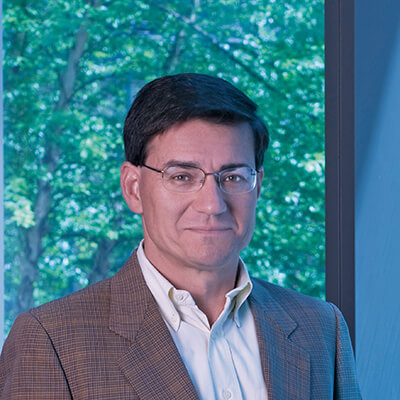 Pedro Ponte Castañeda is Raymond S. Markowitz Faculty Fellow and Professor in Mechanical Engineering & Applied Mechanics, Applied Mathematics & Computational Science, and Mathematics (secondary) at the University of Pennsylvania. He earned a B.S. in Mechanical Engineering and a B.A. in Mathematics from Lehigh University, and a Ph.D. in Applied Mathematics from Harvard University. He was Assistant Professor of Mechanical Engineering at the Johns Hopkins University (1987-90) and Professor of Mechanics at the École Polytechnique (2004-08). He has held visiting positions at the C.N.R.S. (France), Cambridge University, IMDEA Materials (Spain) and the University of Stuttgart. His honors include the Humboldt Senior Research Award (2013) and the ASME Warner T. Koiter Medal (2016).
Wednesday, November 5, 2025
3:30 PM
Seaver Science Library, Room 202 (SSL 202)
host: Plucinsky
Field-assisted Additive Manufacturing of Bio-inspired Structures
Yong Chen
Professor
Department of Aerospace and Mechanical Engineering
University of Southern California
Los Angeles, CA
The development of bio-inspired structures has revolutionized material science and engineering, offering unprecedented mechanical, functional, and aesthetic capabilities. However, traditional additive manufacturing (AM) techniques often fall short in replicating the complex anisotropic and hierarchical features observed in natural systems. This talk explores the emerging paradigm of field-assisted additive manufacturing, where external fields of force, electric, magnetic, and acoustic, are integrated into the AM process to engineer advanced bio-inspired structures. By leveraging these fields, it becomes possible to control the alignment of particles, fibers, or cells during deposition, creating architectures with tailored properties such as directional strength, functional gradients, and dynamic responsiveness. Key methodologies in the integration for controlled spatial patterning and alignment will be discussed. Case studies will demonstrate how these approaches can be utilized to fabricate materials with exceptional biomimetic features. The talk will conclude with remarks and thoughts on future AM developments and potential opportunities for mechanical and aerospace engineers. Attendees will gain insights into how field-assisted strategies can push the boundaries of AM, paving the way for next-generation materials in various fields.
 Yong Chen is a professor of Aerospace and Mechanical Engineering at the University of Southern California (USC). His research focuses on additive manufacturing (3D printing) and related modeling, control, material, and application. He has published 1 edited book, 4 book chapters, and nearly 200 publications in refereed journals and conferences, as well as 19 issued and pending U.S. patents. His work has been recognized by over 15 Best/Outstanding Paper Awards in major design and manufacturing conferences and research journals. Other major awards he received include the NSF CAREER Award, USC’s Innovation Commercialization Awards, and invitations to the National Academy of Engineering Frontiers of Engineering Symposiums. Dr. Chen is a Fellow of the American Society of Mechanical Engineers (ASME). He has served as conference/program chair and keynote speaker at several international design and manufacturing conferences. At USC, Dr. Chen teaches students design and manufacturing-related courses. Nine Ph.D. students and post-doctors from his group have landed faculty positions in North American Universities.
Wednesday, November 12, 2025
3:30 PM
Seaver Science Library, Room 202 (SSL 202)
host: Zhao
3D Printing Active Electronics
Michael C. McAlpine
Professor
Department of Mechanical Engineering
University of Minnesota
Minneapolis, MN
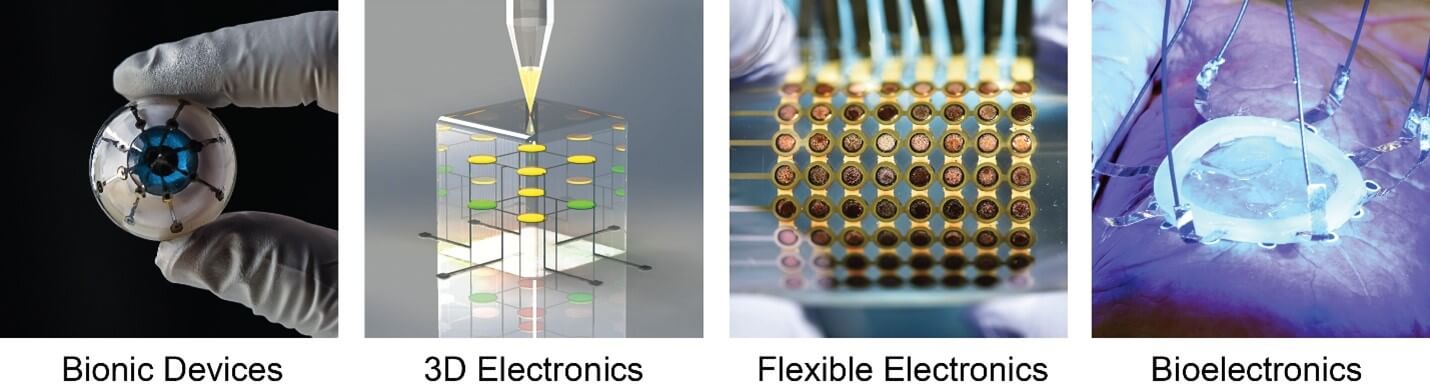 The ability to three-dimensionally pattern active electronic devices (including semiconductors) represents a transformative approach to creating active electronics without the need for a cleanroom or conventional microfabrication facilities. This could enable the generation of active electronics on-the-fly, using only source inks and a portable 3D printer, to realize electronics anywhere, including in resource limited environments. Interfacing active devices with the body in 3D could impact a variety of fields, such as biomedical devices, wearable electronics, bioelectronics, smart prosthetics, and human-machine interfaces. Developing the ability to 3D print various classes of materials possessing distinct properties will enable the freeform generation of active electronics in unique functional, interwoven architectures. Yet, achieving seamless integration of these diverse materials via 3D printing is a challenge which requires overcoming discrepancies in material properties in addition to ensuring that all the materials are compatible with the 3D printing process. Our group has developed strategies for three-dimensionally integrating diverse classes of electronic materials using a custom-built 3D printer to create fully 3D printed active electronic devices. As proofs of concept, we have 3D printed quantum dot-based light-emitting diodes (QD-LEDs), polymer-based photodiodes on curvilinear surfaces, flexible displays, and skin-interfaced hybrid electronics. These results represent a series of critical steps toward the 3D printing of high performance, active electronic integrated materials and devices.
 The McAlpine Research Group are the inventors of 3D printing functional materials & devices. Michael C. McAlpine is a Professor of Mechanical Engineering at the University of Minnesota and the Founder and Director of the 3D Electronics Center (3DE). He received a B.S. (2000) in Chemistry with honors from Brown University, and a Ph.D. (2006) in Chemistry from Harvard University. His research interests are focused on 3D printed active electronics, with recent breakthroughs in 3D printed OLED displays and 3D printed bionic eyes (one of National Geographic’s “12 innovations that will revolutionize the future of medicine”). He has received several awards for this work, including the Presidential Early Career Award for Scientists and Engineers (PECASE), and the National Institutes of Health Director’s New Innovator Award.
Wednesday, November 17, 2025
3:30 PM
Seaver Science Library, Room 202 (SSL 202)
host: Zhao
Electrokinetic Phenomena in Nanoconfinement: From Molecular Structure to Flow Control
Thomas Petersen
Assistant Professor
Sonny Astani Department of Civil and Environmental Engineering
University of Southern California
Los Angeles, CA
This seminar investigates electrokinetic phenomena in nanoscale confinement. I first explore how surface charge patterning and geometric undulations control flow in corrugated, charge-patterned nanochannels. Performing fully nonlinear Poisson-Nernst-Planck-Stokes (PNPS) simulations, I demonstrate three flow regimes—surface-gradient-induced electroosmosis, electrokinetically inhibited flow, and pressure-dominated flow—and show how charge placement and Debye screening enable selective ionic current control for envisioned applications of desalination and energy harvesting. As the PNPS equations are performed on continuum concentration fields, much detail about the molecular interactions between water molecules and co- and counter-ions is omitted in the formulation.
To address this limitation, I present a classical density functional theory (cDFT) framework. By explicitly including excluded volume effects, hydrogen bonding between water molecules, dispersion interactions, and electrostatic correlations, the model reproduces experimental observations of molecular layering near graphene and mica surfaces. The framework reveals how ion-specific properties and surface texture govern the electric double layer organization and demonstrates that multivalent ions generate attractive stresses between like-charged surfaces through out-of-plane structuring.
 Thomas Petersen started working as an Assistant Professor in the Sonny Astani Department of Civil and Environmental Engineering in Fall 2022. Prior to arriving at the University of Southern California, he spent three years as a Senior Research Engineer at ExxonMobil, where he developed technologies to improve the integrity of wells during construction and operation. Specifically, he worked on composite fluid and solid systems that reduce pressure and stress developments in confined, high-temperature, and high-pressure environments. Before his research experience in industry, he obtained his Ph.D. (2019) on Mechanics of Materials and S.M. (2015) in Civil and Environmental Engineering from the Massachusetts Institute of Technology and received his B.S. (2011) in Civil Engineering with a Minor in Mathematics from North Carolina State University.
Wednesday, December 3, 2025
3:30 PM
Seaver Science Library, Room 202 (SSL 202)
host: Plucinsky
Formation and Evolution of Turbulence in Convectively Unstable Internal Solitary Waves of Depression Shoaling over Gentle Slopes in the South China Sea
Peter Diamessis
Professor
School of Civil and Environmental Engineering
Cornell University
Ithaca, NY
The shoaling of high-amplitude Internal Solitary Waves (ISWs) of depression in the South China Sea (SCS) is examined through large-scale parallel turbulence-resolving high-accuracy/resolution simulations. A select, near-isobath-normal, bathymetric transect of the gentle SCS continental slope is employed together with stratification and current profiles obtained by in-situ measurements. Three simulations of separate ISWs with initial deep-water amplitudes in the range [136m, 150m] leverage a novel wave-tracking capability for a propagation distance of 80km and accurately reproduce key features of in-situ-observed phenomena with significantly higher spatiotemporal resolution. The interplay between convective and shear instability and the associated turbulence formation and evolution are further studied, as a function of deep-water ISW amplitude, in-part revealing processes previously not observed in the field. Across all three waves, the convective instability develops in a similar fashion: heavier water entrained from the wave rear plunges into its interior, giving rise to transient, yet distinct, subsurface vortical structures which transition to turbulence. Ultimately, a gravity current is triggered which horizontally advances through the wave interior and mixes it down to the pycnocline base. Although the waveform remains distinctly symmetric, Kelvin-Helmholtz billows emerge near the well-mixed ISW trough, disturb the wave’s trailing edge and give rise to an active wake. The wake's perturbation kinetic energy is nonlinearly dependent on deep-water wave amplitude and can become a sizable fraction of the kinetic energy of the deep-water ISW, suggesting the wake is a primary mechanism of water column mixing. The talk will conclude with potential interpretations on the origins of the above gravity current as a form of frontogenesis and the associated challenges of measuring such phenomena in the field.
 Peter Diamessis joined the CEE faculty in January 2006. He received his undergraduate degree in Mechanical Engineering from the National Technical University of Athens (NTUA), Greece in 1995. From 1996 to 2001, he pursued graduate studies at the Mechanical and Aerospace Department (formerly Applied Mechanics and Engineering Sciences Dept.) of the University of California, San Diego. Following completion of his PhD studies, Diamessis became a postdoctoral researcher in the fluid dynamics group at the Aerospace and Mechanical Engineering at the University of Southern California where he focused on the development and implementation of numerically stable spectral multidomain techniques and the numerical investigation of stably stratified turbulent wakes and 2-D instabilities under internal solitary waves. Diamessis's recent and ongoing work involves the continued development of spectral multidomain schemes for more complex flow geometries and the application of element-based techniques to other disciplines such as structural mechanics and soil chemistry. The physically focused component of his efforts consists of the study of high Reynolds number stratified wakes and the evolution of the radiated internal wave field and its interaction with the subsurface region, the investigation 3-D turbulence and resuspension under internal solitary waves, the study of nonlinear effects in internal waves propagating through variable environments and the application of stability analysis to environmental boundary layers.
Friday, December 12, 2025
11:00 AM
Laufer Conference Room, (OHE 406)
host: Spedding